Cultivating Curiosity: How Nature Environments Build Capable Children
In an increasingly digital world, the profound benefits of connecting children with nature are gaining renewed recognition. More than just a scenic backdrop for play, a dedicated childcare nature hub offers a dynamic, inquiry-based learning environment where young minds can truly flourish. These unique settings go beyond traditional classrooms, leveraging the natural world as the ultimate teacher to foster a generation of confident, creative, and intrinsically motivated learners.
The philosophy behind a quality nature-based curriculum centers on the child as an active participant in their own learning journey. Educators in these environments are chosen not just for their qualifications, but for virtues that align with nurturing curiosity and an inherent love for the outdoors. Imagine a place where daily learning seamlessly incorporates nature exploration and environmental practices, guided by a holistic approach designed to link the elements of nature with a child's understanding of their responsibilities to the world around them. This isn't just about playing outside; it's about providing a carefully curated natural environment that enables discovery through the arts, holistic development, and unscripted exploration.
The Foundation of Curiosity: Why Nature Fuels Learning
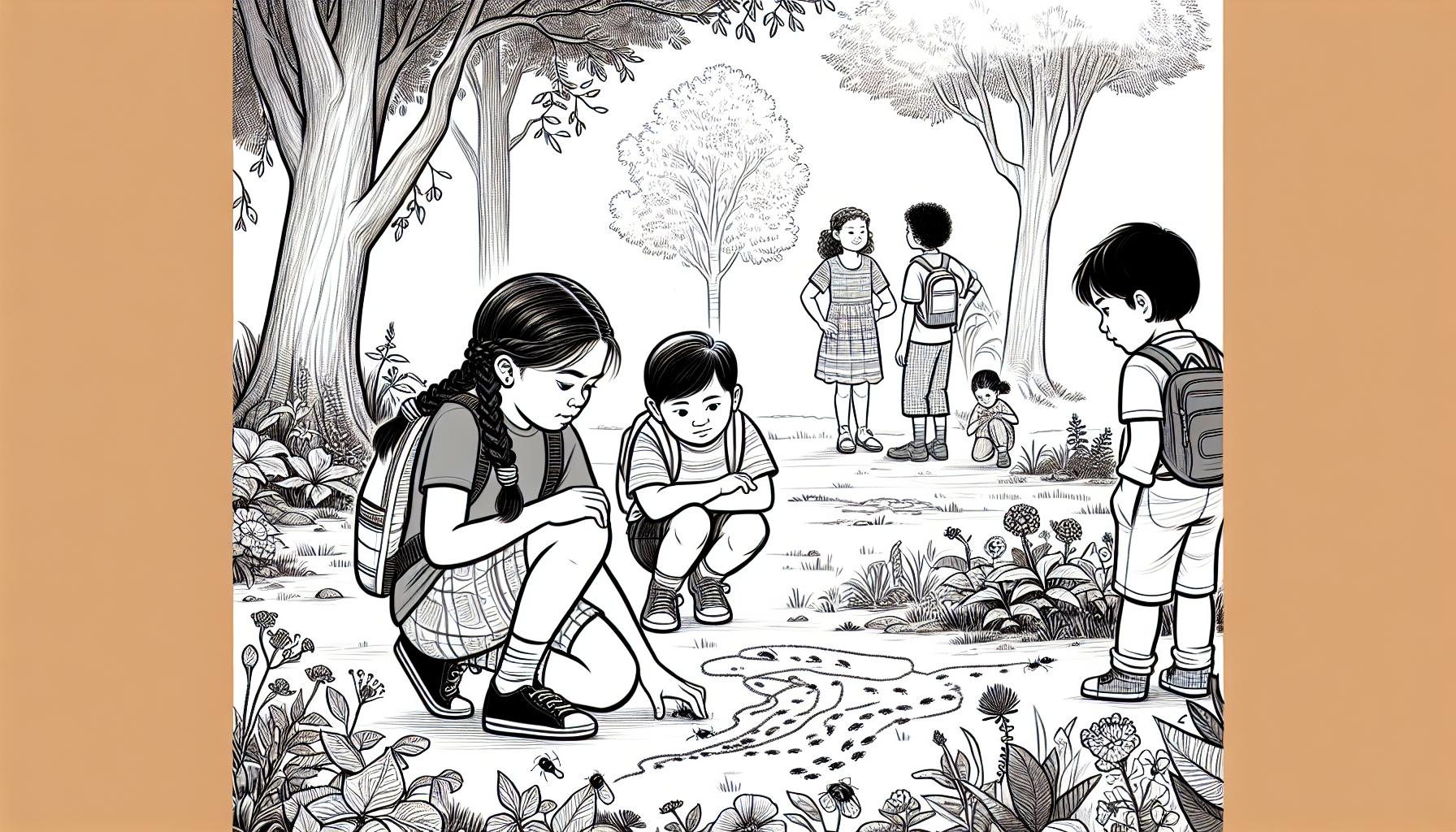
At the heart of every capable learner lies a vibrant sense of curiosity. In a traditional setting, learning can sometimes feel prescriptive, but a childcare nature hub thrives on the emergent and inquiry-based. Children are encouraged to ask questions, explore possibilities, and follow their own interests, with the natural world providing an endless array of stimuli. Whether it's observing the life cycle of a butterfly, feeling the texture of bark, or discovering a hidden stream, every moment offers an opportunity for genuine, hands-on learning.
This approach fosters imaginative play like no other. A fallen log becomes a pirate ship, a patch of mud transforms into a chef's kitchen, and a collection of pebbles can be currency in a bustling marketplace. Such unscripted exploration allows children to develop complex narratives, practice problem-solving, and collaborate with peers in ways that enhance cognitive development and language skills. The freedom to engage with natural elements not only delights their curiosity but cultivates a deep eagerness for further learning, laying a robust foundation for academic success and lifelong intellectual engagement.
Moreover, the sensory richness of nature is unparalleled. The sounds of birdsong, the scent of damp earth, the feel of wind on their skin, and the vibrant colours of foliage all contribute to enhanced sensory integration and awareness. This multi-sensory engagement stimulates different parts of the brain, leading to richer learning experiences and improved focus.
Nurturing Emotional Intelligence in the Wild
Social and emotional intelligence is arguably the cornerstone for all future learning and success. While it can be taught, it truly flourishes when nurtured within a healthy, natural environment. A childcare nature hub offers the unique conditions necessary for this vital development. Children gain freedom in nature—the freedom to move, to explore at their own pace, and to interact with the environment without constant adult direction. This autonomy builds self-confidence and a sense of agency.
- Mixed-Age Socialization: Nature-based environments often encourage interaction among children of mixed ages. Younger children learn from the older ones, observing their problem-solving and social strategies, while older children develop empathy, leadership skills, and patience as they guide their younger companions. This mirrors real-world social dynamics more closely than age-segregated groups.
- Freedom to Make Judgments: Under careful supervision, children in nature are often given the freedom to assess risks and make their own judgments—how high to climb, how fast to run down a hill, or how to navigate uneven terrain. This process is crucial for developing risk assessment skills, resilience, and a deeper understanding of their own physical capabilities and limitations. They learn from natural consequences, not just adult instructions.
- Developing Empathy: Caring for plants, observing animals, and understanding the delicate balance of an ecosystem naturally cultivates empathy and a sense of responsibility towards living things and the environment. This extends to their peers, fostering a cooperative and compassionate community.
The result of such nurturing is children who are not only confident and creative, but also deeply empathetic, intrinsically motivated, and highly capable of cooperating with others. These are the qualities that prepare them for navigating complex social landscapes and contributing positively to society.
Building Capable Learners: From Play to Purpose
The holistic approach of a childcare nature hub, often integrating a comprehensive early childhood curriculum with specific nature-based programs, focuses on supporting children to develop critical capabilities. A prime example is the concept found in programs like the "Elements of Life," which helps children understand how natural elements are interconnected and rely on each other to survive. This profound understanding of ecological interdependence translates into a broader awareness of their own role in ensuring a healthy world. For a deeper dive into how such programs foster holistic development, explore Elements of Life: Holistic Development in NZ Nature Childcare.
Through adventurous play within a safe environment, children learn practical skills that extend far beyond the classroom. They develop problem-solving abilities by figuring out how to cross a muddy patch or build a shelter. Fine motor skills are honed through manipulating natural materials like sticks, leaves, and mud. Gross motor skills are continuously refined through climbing, balancing, running, and jumping. These activities aren't just fun; they are fundamental to physical development and coordination.
Furthermore, nature-based learning encourages children to become adaptable and resilient. When plans are disrupted by weather, or a chosen play area is already occupied by others, children learn to adjust, compromise, and find alternative solutions. This inherent flexibility is a powerful capability in an ever-changing world.
Practical Steps for Embracing a Nature-Rich Childcare Environment
For parents seeking the best for their children, or educators looking to enrich their programs, integrating nature is a powerful step. Here are some practical tips:
- Seek Out Dedicated Nature Hubs: Look for childcare centers that explicitly integrate nature into their daily curriculum and philosophy. Inquire about their outdoor time, access to natural spaces, and specific nature-based programs they offer. A center like Country Bears Childcare, for instance, exemplifies these principles by offering a curriculum deeply rooted in nature. You can learn more about their approach in Unlocking Potential: Nature-Based Learning at Country Bears Childcare.
- Prioritize Outdoor Play: Ensure that the childcare provider values and facilitates significant blocks of unstructured outdoor play every day, regardless of minor weather conditions (with appropriate gear).
- Inquire About Teacher Training: Teachers are the heart of any quality program. Ask how educators are trained to facilitate nature-based learning, inquiry, and risk assessment in the outdoors.
- Look for Natural Materials and Environments: Does the environment include natural elements indoors and out? Are there opportunities for gardening, interacting with local flora and fauna, or using "loose parts" from nature in play?
- Embrace "Messy" Play: Understand that nature play is often muddy, wet, and dirty – and that's a good thing! It signifies active engagement and sensory exploration.
- Bring Nature Home: Complement your child's learning by spending time in parks, backyard gardens, or even bringing natural elements (like pinecones, leaves, or stones) indoors for play.
By choosing a childcare nature hub or incorporating these principles into existing programs, we empower children to grow into confident, competent individuals equipped with vital social-emotional skills, a deep understanding of the world, and an unshakeable love for learning. The investment in nature-rich environments is an investment in our children's future, helping them not just to survive, but to thrive in every sense of the word.